 Reviews



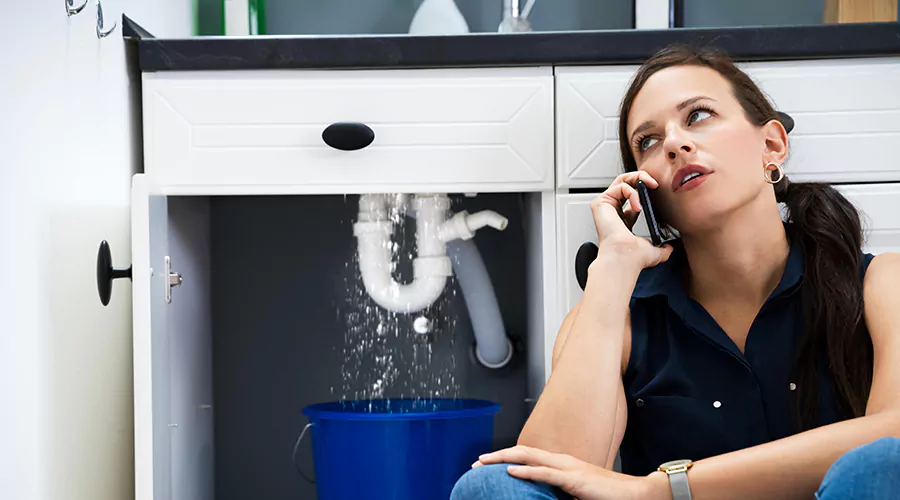
A kitchen sink usually leaks because of a loose drain connection, worn seal, or leaking water-supply fitting. Kitchen sink repair generally costs about $150 to $500 in 2026, while a leaking pipe repair averages about $500 when the damage extends beyond the fixture. Sink repair can address damaged connections, worn seals, and other common issues affecting kitchen sink performance.
The supplied keyword kitchen sink leaking has 5,000 average monthly searches.
The fastest way to find the cause is to dry every connection before testing the sink.
Where the first drop appears matters more than where the puddle eventually collects.
Where Can a Kitchen Sink Leak From?
A kitchen sink has both pressurized water connections and low-pressure drain connections. A leak that continues when the faucet is off often comes from the supply side. A leak that appears only while water drains usually comes from the strainer or waste piping.
- Common leak areas include the faucet connections.
- The supply hoses can leak.
- The sink strainer can lose its seal.
- The P-trap joints can drip.
- A garbage disposal connection can also leak.
The supplied keyword leak under kitchen sink has 5,000 average monthly searches.
Start with timing before replacing any part.
How Does a Kitchen Sink Leak Get Worse?
A slow drip can damage cabinet materials long before the leak becomes large. Particleboard can swell after repeated moisture exposure. Hidden water can also move through openings around plumbing penetrations.
| Leak Stage | What You Notice | Likely Concern | 2026 Cost Exposure |
|---|---|---|---|
| Early | Occasional drop | Loose joint or seal | Often low DIY cost |
| Repeating | Cabinet stays damp | Washer or drain leak | $150 to $500 sink repair |
| Supply leak | Water appears while sink is unused | Pressurized connection | Can worsen quickly |
| Hidden pipe leak | Water spreads beyond cabinet | Pipe damage | $150 to $4,700 depending on access |
A typical kitchen sink repair can cost about $150 to $500 in 2026. Broader pipe leak repairs range from $150 to $4,700 with an average near $500.
The repair gets more expensive when water damage extends beyond the sink cabinet.
What Are the Warning Signs of a Kitchen Sink Leak?
A kitchen sink leak often begins with moisture rather than a visible stream. Check the cabinet when you notice odor or swelling even if you have not seen active dripping.
- Water collects on the cabinet floor. A drain or supply connection is leaking.
- The cabinet smells damp. Water may have been present for some time.
- The P-trap stays wet. A slip joint or washer may be leaking.
- Water appears only while the faucet runs. The drain side becomes more likely.
- Water appears while the sink is unused. A supply connection deserves immediate inspection.
- The sink strainer has moisture underneath. Its seal may have failed.
- The disposal housing is wet. The unit or one of its connections may be leaking.
- Cabinet material is swollen. The leak is probably not new.
- Water runs down a supply hose. The source may be above the visible drop.
- The floor outside the cabinet becomes wet. The leak has progressed beyond the immediate plumbing area.
The supplied keyword kitchen sink leaking underneath has 5,000 average monthly searches.
That search intent often begins with water already visible inside the cabinet.
How Can You Tell if the Leak Is on the Supply Side?
A supply leak can continue even when the sink has not been used because the lines remain under pressure. Dry the connections and watch them while the faucet remains off.
- Clear the cabinet.
- Dry each hose.
- Dry the shutoff valves.
- Place paper towels beneath the connections.
- Wait several minutes.
- Look for new moisture.
If water appears without using the faucet, turn off the affected shutoff valve.
Inspect the connection above the first wet point.
Do not assume the P-trap caused water that travelled down a supply hose.
How Can You Test the Drain Side?
A drain-side leak normally appears only when water passes through the sink.
- Dry all waste piping.
- Place paper towels beneath the strainer.
- Check the P-trap joints.
- Fill the basin partway.
- Release the water.
- Watch every connection.
A large release creates a more useful test than a weak faucet stream.
If water appears beneath the basket strainer, the seal at the sink opening may have failed.
Worn plastic seals or washers are common causes of leaking sink drains.
Why Does the P-Trap Leak?
A P-trap can leak when a slip nut loosens or a compression washer becomes damaged. Misaligned plumbing can also prevent a washer from sealing evenly.
The supplied keyword under sink plumbing has 5,000 average monthly searches.
- Place a bucket below the trap.
- Check each connection by hand.
- A slightly loose nut can sometimes be tightened carefully.
- Do not apply excessive force to plastic fittings.
- If tightening does not stop the leak, remove the joint and inspect the washer.
A P-trap repair can often be completed with inexpensive parts. Current 2026 guidance estimates DIY trap repair materials at roughly $5 to $100.
Replace damaged washers rather than overtightening them.
Why Does the Sink Strainer Leak?
The basket strainer seals the drain opening where the sink basin meets the waste plumbing. The sealing material can deteriorate or lose compression over time.
- Dry the underside.
- Fill the sink without releasing the stopper.
- Wait.
- If water appears beneath the basket while the sink is holding water, inspect the strainer seal.
A proper kitchen sink drain installation uses a watertight seal at this connection.
Replacing the strainer may require removing the drain plumbing below it.
Clean the contact surfaces before installing a new seal.
Do not apply sealant over dirty material.
Can a Garbage Disposal Leak Under the Sink?
Yes. A garbage disposal can leak at the sink flange or dishwasher connection. The discharge pipe can also leak. Some units eventually develop internal housing leaks.
The supplied keyword garbage disposal leaking has 5,000 average monthly searches.
- Dry the disposal first.
- Run water without operating it.
- Check the upper flange.
- Then operate the disposal briefly when safe.
- Inspect the side discharge connection.
- Check the dishwasher hose.
- Look at the bottom of the unit.
Water coming directly through the disposal housing can indicate internal failure.
Tightening an external pipe will not repair a leaking disposal body.
Can the Faucet Cause Water Under the Sink?
Yes. Faucet supply lines and mounting areas can send water into the cabinet.
- Run the faucet.
- Move the handle through its normal range.
- Check beneath the faucet base.
- Inspect each supply connection.
The supplied keyword kitchen faucet leaking has 5,000 average monthly searches.
A faucet leak can travel down the flexible hose and form a drop at a lower connection.
Always trace the wet path upward.
The first wet location is more useful than the final place where water falls.
Can Dishwasher Plumbing Cause a Sink Leak?
A dishwasher commonly connects to kitchen sink plumbing. Its drain hose can attach to the disposal or drain assembly. A loose connection can therefore create water under the sink during the dishwasher drain cycle.
- Dry the cabinet.
- Run the dishwasher.
- Wait for its drain cycle.
- Watch the dishwasher hose.
- Check the disposal connection.
- Look for water near the clamp.
This test helps separate a dishwasher-related leak from a sink leak.
A puddle appearing only during the appliance drain cycle is an important timing clue.
What DIY Leak Test Can You Do Today?
A dry-paper test can identify most visible under-sink leaks without special equipment.
- Empty the cabinet.
- Dry all plumbing.
- Place paper beneath every connection.
- Leave the faucet off for ten minutes.
- Check the paper.
- Then run the faucet.
- Fill the sink.
- Release the water.
- Inspect again.
- Run the disposal if installed.
- Observe the dishwasher drain cycle separately.
Testing one system at a time prevents several possible water sources from becoming confused.
When Should You Call a Professional?
Professional help is appropriate when the leak comes from damaged supply piping or a cracked disposal. It also makes sense when water has spread into the cabinet structure or floor.
Kitchen sink repair generally costs about $150 to $500 in 2026. Pipe leak repair averages about $500 but can range from $150 to $4,700 when access or damage is extensive.
Professional diagnosis is reasonable when:
- A shutoff valve leaks.
- A supply line continues spraying.
- The drain pipe is cracked.
- The disposal housing leaks.
- Cabinet damage is spreading.
- The source remains unclear after testing.
Sink installation or repair services average roughly $220 to $660 according to current 2026 data.
A small visible connection leak is much easier to repair than hidden water damage.
How Can You Prevent Kitchen Sink Leaks?
Regular inspection is inexpensive and can reveal a small leak before cabinet damage develops.
- Look beneath the sink every few months.
- Keep stored items away from the plumbing.
- Check supply hoses for moisture.
- Inspect the P-trap.
- Watch the disposal connections.
- Respond to new cabinet odor.
- Avoid placing heavy objects against drain piping.
Check plumbing again after moving items beneath the sink.
Small movements can loosen a slip-joint connection.
Conclusion
If your kitchen sink is leaking, identify whether the water comes from the supply side or drain side before replacing anything. A leak that appears while the sink is unused often points toward pressurized plumbing. A leak that appears during drainage can come from the strainer or P-trap. Check disposal and dishwasher connections separately. If water is damaging the cabinet or a pressurized pipe has failed, professional repair can prevent a larger problem.
Frequently Asked Questions
Why is my kitchen sink leaking only when it drains?
A P-trap joint or basket-strainer seal may leak only while wastewater passes through it.
Why is there water under my kitchen sink when I did not use it?
A pressurized supply hose or shutoff valve may be leaking continuously.
Can a loose P-trap nut cause a leak?
Yes. A loose connection can let drain water escape during sink use.
Why is my garbage disposal wet underneath?
The disposal can leak from a connection or its internal housing. Dry the unit first to identify the highest wet point.
Can a kitchen sink leak damage the cabinet?
Yes. Repeated moisture can swell cabinet materials and spread into surrounding flooring.
Should I replace a kitchen sink because it leaks?
Usually not. Many leaks come from plumbing connections or seals rather than the sink basin itself.